



Phone:
+86-15928560945
Reliable broadcasting depends on more than transmitter power. The right FM radio broadcasting equipment must work together to deliver stable signals, manage RF losses, and support continuous operation. Transmitters, antennas, feeder cables, and monitoring systems each affect overall performance. Understanding how these components integrate helps broadcasters reduce downtime, plan upgrades, and control operating costs. A well-designed equipment chain also makes future expansion easier.
A typical FM broadcast site includes an audio source, FM transmitter, RF transmission line, antenna, and supporting monitoring and power systems. Multi-channel installations may also need a combiner to connect compatible transmitters to a shared antenna.
Each component has a distinct role. The transmitter generates the RF signal, the feeder cable carries it to the antenna, and the antenna radiates it toward the intended coverage area. Monitoring equipment helps operators identify abnormal conditions before they affect service.
When planning a new installation, engineers should consider component compatibility, available space, power requirements, and maintenance access. Existing stations should review equipment condition and service history before replacing individual components.
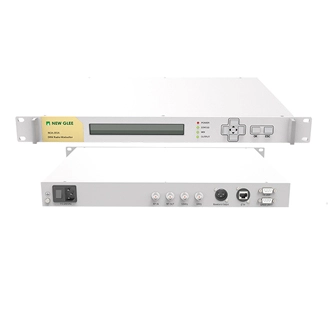
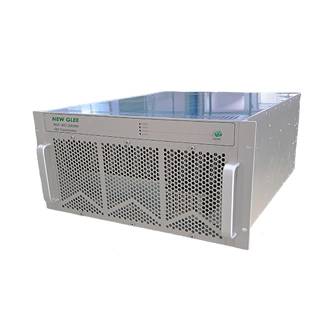
Newgleecorp supplies FM radio broadcasting equipment for broadcasters planning new installations or upgrading existing systems.
Transmitter selection requires more than matching rated power to a coverage target. Terrain, antenna height, antenna gain, cable loss, and local regulations all influence system design. Higher output power does not automatically produce better reception if the antenna or transmission line introduces unnecessary losses.
The ITU Radio Regulations provide an international framework for radio spectrum use. Broadcasters must also comply with the frequency assignments and licensing requirements applicable in their regions.
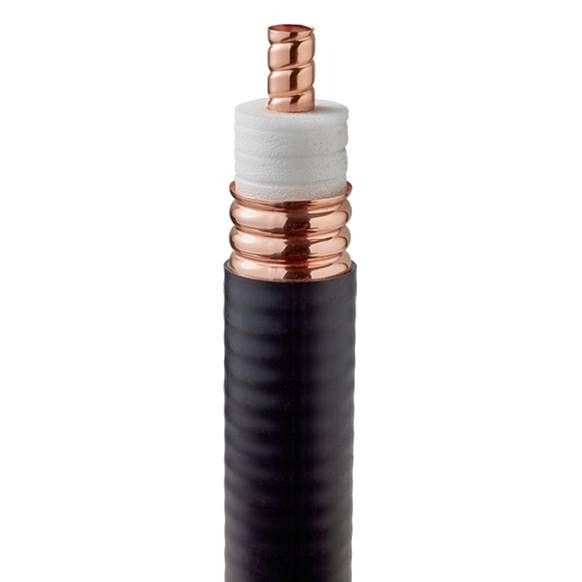
Feeder cables should match the system's impedance, operating frequency, power requirements, and installation length. Connector quality and correct installation matter because poor connections can increase losses and complicate troubleshooting.
For multi-transmitter sites, an FM transmitter combiner can allow compatible transmitters to share an antenna. Engineers should verify frequency compatibility, isolation, and power-handling capacity before installation.
Each equipment category contributes differently to signal quality and operational reliability. Comparing their functions helps broadcasters assess the entire system rather than choosing components independently.
Equipment | Main function | Key selection factor |
|---|---|---|
FM transmitter | Generates the RF signal | Output power and frequency stability |
Antenna | Radiates RF energy | Gain and radiation pattern |
Feeder cable | Transfers RF energy | Impedance and attenuation |
FM combiner | Combines transmitter signals | Isolation and power handling |
Monitoring system | Tracks operating conditions | Measurement and alarm features |
When comparing FM equipment, evaluate technical specifications alongside installation requirements, serviceability, and future expansion. A powerful transmitter cannot compensate for excessive cable loss or an unsuitable antenna.
Stations should also consider equipment availability and maintenance access. These practical factors can influence long-term costs just as much as initial purchase price.
Regular monitoring helps operators detect performance changes before they cause service interruptions. Depending on the installation, useful measurements include forward power, reflected power, VSWR, operating frequency, and transmitter temperature.
A sudden increase in reflected power may indicate a feeder, connector, antenna, or impedance-matching problem. Temperature alarms can signal cooling issues, while repeated power fluctuations may require inspection of the transmitter or power supply.
Recording normal operating values gives engineers a baseline for identifying unusual readings. Remote monitoring is particularly useful for unmanned sites because operators can receive alerts and review equipment status without visiting the facility immediately.
The ITU-R Recommendations provide technical recommendations across radiocommunication topics. Engineers should consult relevant guidance alongside local regulations and equipment documentation when establishing monitoring procedures.
Stable electrical power and adequate cooling are essential for continuous broadcasting. Equipment rooms should provide appropriate ventilation and environmental protection. Electrical systems must meet equipment specifications and applicable safety requirements.
Preventive maintenance should include connector inspections, feeder cable checks, cooling-system reviews, alarm-history checks, and periodic RF measurements. Keeping maintenance records helps identify recurring problems and plan replacements before failures interrupt service.
Maintenance planning should also account for spare parts, technician access, and procedures for safely taking equipment offline. These preparations reduce repair delays and help stations maintain consistent service during routine inspections or unexpected faults.
Before purchasing equipment, document the operating frequency, required output power, antenna arrangement, feeder length, installation space, and expected expansion needs. These details help suppliers assess compatibility and recommend a suitable configuration.
It is also useful to provide the number of channels, existing equipment models, environmental conditions, and known performance problems. Suppliers can then evaluate interfaces, operating limits, and integration requirements more accurately.
Newgleecorp offers equipment for FM transmission systems, including transmitters, combiners, antennas, and feeder cables. Reviewing product specifications before purchasing helps station operators compare technical suitability, installation requirements, and maintenance needs.
Reliable broadcasting depends on coordinated equipment selection, correct installation, and consistent maintenance. Transmitters, antennas, feeder cables, combiners, and monitoring systems must operate as a compatible chain. By assessing power requirements, RF losses, cooling, and future expansion before purchasing, broadcasters can make informed decisions and improve operational reliability. Reviewing existing infrastructure also helps simplify upgrades. Newgleecorp can help station operators explore FM broadcasting equipment suited to their system configuration and technical needs.
A typical station needs an audio source, FM transmitter, antenna, feeder cable, and monitoring equipment. Multi-channel sites may also require a combiner.
Consider coverage objectives, terrain, antenna characteristics, transmission losses, and local licensing requirements. A qualified broadcast engineer can assess the complete system.
Cable attenuation reduces the RF power delivered to the antenna. Suitable cables, correct connectors, and proper installation help limit unnecessary losses.
A combiner is useful when compatible transmitters need to feed a shared antenna system. Frequency spacing, isolation, and power handling must be checked.
Inspection frequency depends on operating conditions and manufacturer recommendations. Regular checks and maintenance records help identify developing faults.
Yes. Upgrades can be staged if new components remain compatible with existing transmitters, feedlines, antennas, and system requirements. A system review before purchasing helps reduce integration risks.


