



Phone:
+86-15928560945
SDY-50-12 Feeder Cable
The SDY-50-12 feeder cable is a high-performance coaxial cable designed for demanding communication systems.
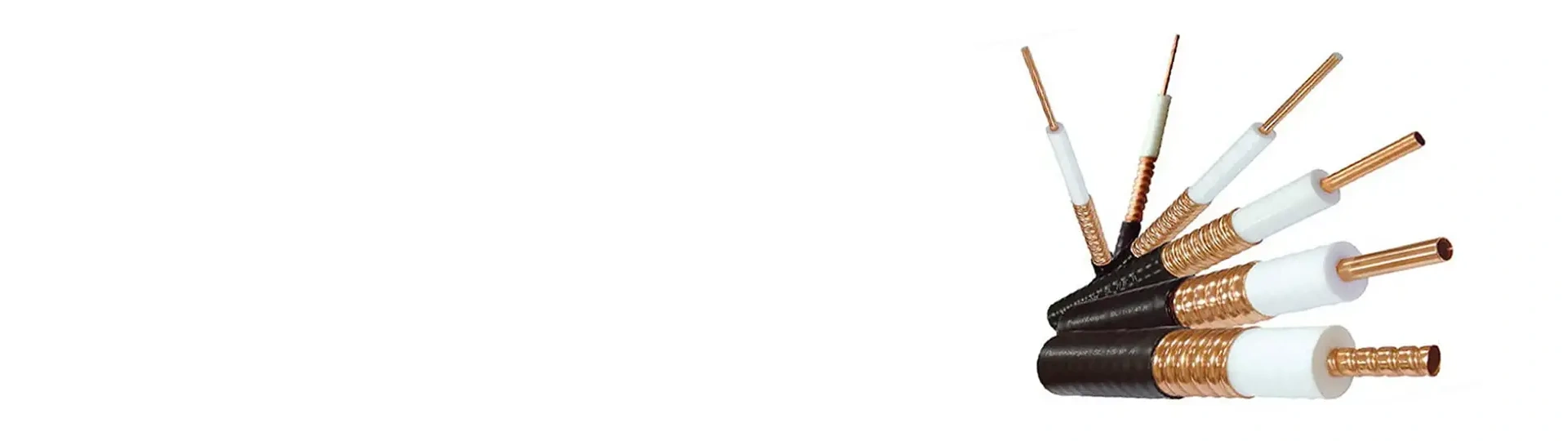
Newglee FM accessories are designed to support stable RF signal transmission between FM transmitters, combiners and antenna systems. Our feeder cables use durable coaxial construction to help reduce signal loss, maintain 50Ω impedance stability and improve power transfer efficiency in a complete FM broadcast system.
The SDY-50 feeder cable series includes different cable sizes for compact, medium-power and high-power broadcast installations. You can choose SDY-50-12, SDY-50-22 or SDY-50-40 according to transmitter power, operating frequency, cable length, installation space and signal loss requirements.
Suitable for indoor and outdoor broadcast environments, these low-loss feeder cables can be used to connect FM radio equipment in FM transmitter systems, antenna connections, telecommunications and signal relay applications. Newglee can help broadcasters and system integrators select the right feeder cable and matching FM accessories for long-term, reliable signal distribution.

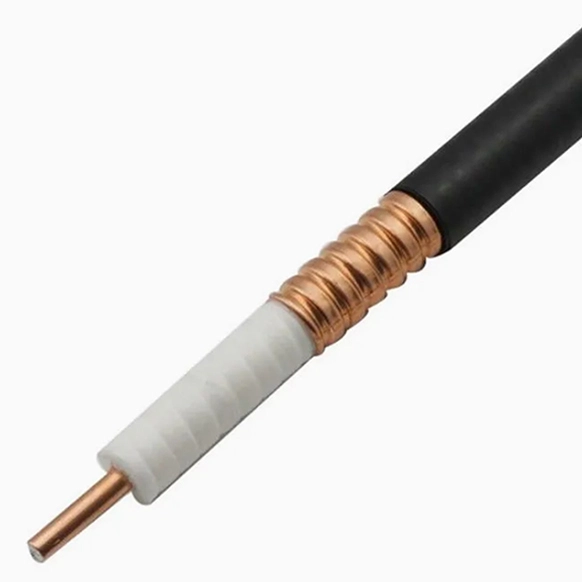
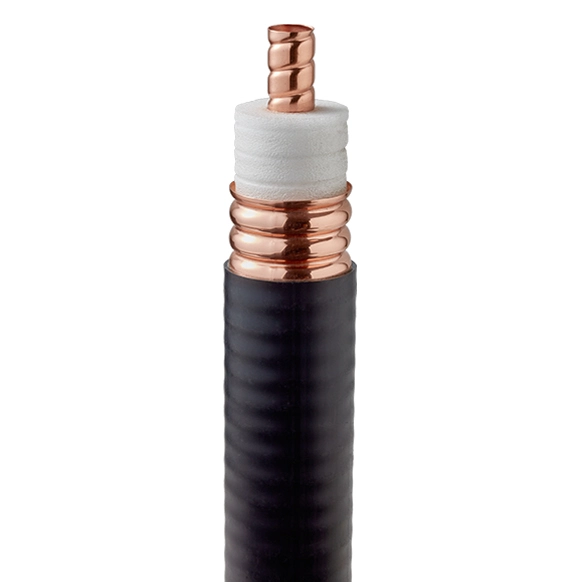

Urban radio stations face high RF interference from surrounding electronic devices and transmission sources. Shielded feeder cables provide superior signal integrity by minimizing electromagnetic interference (EMI) and reducing signal loss. High-quality braided or foil shielding prevents unwanted noise, ensuring clear audio transmission. These cables also enhance VSWR stability, improving transmitter efficiency. Choosing low-loss, high-durability coaxial cables with proper shielding ensures consistent broadcast quality, preventing signal disruptions. For urban environments, shielded feeder cables are essential for maintaining a clean, interference-free signal and maximizing radio station performance.
Choosing the right feeder cable size is important for stable RF signal transmission between the FM transmitter, combiner and antenna system. Newglee provides SDY-50-12, SDY-50-22 and SDY-50-40 coaxial feeder cable options for different transmitter power levels, installation spaces and signal loss requirements.
| Model | Recommended FM Power | Jacket Diameter | Minimum Bending Radius | Peak Power Rating | Key Advantages | Best For |
| SDY-50-12 Feeder Cable | ≤ 1.5kW FM transmitter | 19.0 mm | 70 mm single / 200 mm multiple | 38 kW | Compact size, flexible installation, 50Ω impedance, low VSWR, low signal loss | Small to medium FM broadcast systems, compact RF installations, mobile networks, radar and satellite stations |
| SDY-50-22 Feeder Cable | ≤ 3kW FM transmitter | 29.0 mm | 90 mm single / 300 mm multiple | 73 kW | Higher power handling, helix-corrugated copper conductors, low attenuation, stable 50Ω performance | Medium-power FM broadcasting, medium wave, TV broadcasting, radar, satellite ground stations and microwave relay systems |
| SDY-50-40 Feeder Cable | ≤ 7kW FM transmitter | 51.0 mm | 180 mm single / 550 mm multiple | 270 kW | 1-5/8” high-power coaxial design, low attenuation, high peak power rating, rugged construction | High-power FM, TV, communication systems, radar, satellite stations and demanding broadcast networks |
Need Help Selecting the Right Feeder Cable Size?
Share your FM transmitter power, operating frequency, cable length, antenna setup and installation environment. Newglee can help recommend a suitable feeder cable size for your broadcast system.
Poor-quality cables increase signal attenuation (loss), reduce broadcast range, and degrade audio clarity. Use low-loss, high-grade coaxial cables (e.g., LDF4, Heliax).
Longer cables increase signal loss. Optimize length to balance coverage needs and loss margins (e.g., ≤3 dB loss for most FM systems).
Most FM systems use 50-ohm coaxial cables. Mismatched impedance causes signal reflections (VSWR issues) and power inefficiency.
Use weatherproof connectors (e.g., N-type) and seal joints with waterproof tape or silicone to avoid corrosion and signal degradation.
Yes. Physical damage (kinks, cuts) or aging insulation disrupts signal integrity, causing dropouts or interference. Inspect cables regularly.
Check connectors for tightness and corrosion, monitor VSWR levels, and replace cables showing wear or high loss.
Pre-terminated cables ensure precise impedance matching and reduce installation errors, but custom lengths may require professional assembly.
Feeder cables are vital for efficient FM transmission—prioritize quality, proper installation, and routine checks to maintain optimal performance.
A feeder cable is a transmission cable used to carry RF signals from an FM transmitter, combiner or broadcast equipment to an antenna system. In FM broadcasting, a high-quality coaxial feeder cable helps reduce signal loss, maintain stable 50Ω impedance and improve power transfer efficiency. It is an important part of the complete transmitter-to-antenna signal path.
To choose the right feeder cable, you should check transmitter power, operating frequency, cable length, installation environment, bending radius and expected signal loss. For lower-power FM systems, SDY-50-12 may be sufficient. For medium-power FM transmitters, SDY-50-22 is more suitable. For high-power broadcast systems, SDY-50-40 provides stronger power handling and a larger coaxial structure.

