





Phone:
+86-15928560945
In the realm of broadcasting, AM transmitters remain a pivotal technology, facilitating widespread and accessible audio communication. By employing amplitude modulation (AM), these transmitter systems ensure that audio signals are efficiently broadcast over vast geographical areas. This form of transmission has been central to radio broadcasting for over a century and continues to hold substantial relevance in modern applications. Although digital advancements are frequently lauded, the resilience and reach of AM broadcasting remain unmatched in certain contexts. In this comprehensive exploration, we delve into the workings of AM transmitters, examining the core principles, key components, transition to digital formats, challenges in signal propagation, and maintenance strategies. For any enthusiast or professional, understanding the intricacies of AM broadcasting not only provides a historical perspective but also enhances modern application and equipment use.
The fundamental principle of AM transmission involves modulating the amplitude of the carrier wave to encode audio information. Unlike FM stereo transmitters, which alter frequency, AM radio signals adjust in wave height according to the soundwave's power. This process begins with audio input, often processed through an audio encoder to prepare the signal for modulation. The prepared audio signal then interacts with the carrier frequency generated by the transmitter, resulting in an amplitude-modulated wave that can be broadcast over long distances.
At the heart of AM transmission is its simplicity and efficiency, making it particularly effective for reaching audiences across large expanses, including rural or remote areas. This characteristic has made AM a staple for emergency broadcasts and information dissemination where reliability is paramount. Furthermore, AM signals have the unique advantage of atmospheric bounce, allowing for signals to be heard far from their origin during certain conditions, a phenomenon FM transmissions struggle with due to their line-of-sight limitation.
To effectively broadcast an AM signal, a transmitter is composed of several critical components. Each part plays a distinct role, ensuring that the signal is both clear and robust. These components include:
| Component | Description |
|---|---|
| Audio Processor | Prepares and optimizes audio signal for modulation |
| Modulator | Combines audio signal with carrier wave |
| Power Amplifier | Increases signal strength for broader reach |
| Antenna System | Radiates the modulated signal outward |
The audio processor ensures sound clarity and consistency, often aided by additional systems to clean up anomalies in the input. The modulator is pivotal as it shapes the carrier through amplitude changes, affected directly by the input audio. The power amplifier then boosts this modulated signal, preparing it for long-distance travel. Finally, the antenna system, possibly involving tall masts and feeder cables, sends the signal into the ether, efficiently reaching radios tuned to the correct frequency.
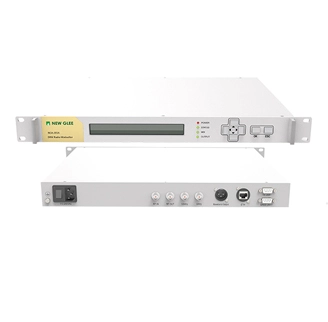
The evolution of AM broadcasting has seen significant transitions, particularly the move towards digital modulation technologies like Digital Radio Mondiale (DRM). This shift towards digital is driven by the demand for improved audio quality, better spectrum efficiency, and more reliable signal integrity compared to traditional analog methods.
Digital modulation methods increase spectrum efficiency, allowing multiple channels to occupy the traditional bandwidth space of a single analog broadcast. With broadcasters desiring to offer clearer sound that rivals FM and digital platforms, technologies such as digital radio mondiale DRM provide a solution that enhances audio fidelity while reducing broadcast costs.
This ongoing transition, however, does not fully replace analog methods, as it requires significant infrastructure overhauls and listener adaptation. Yet, for environments where spectrum allocation is competitive and sound quality is a priority, digital AM offers a promising future for radio broadcasters.
Despite their advantages, AM transmissions do face several challenges, particularly in signal propagation. The qualities that allow AM signals to travel great distances also make them susceptible to interference and varying reception quality.
Natural phenomena such as solar activity can affect signal clarity, while man-made structures create additional barriers. Urban environments are particularly challenging for AM broadcasters, as steel and concrete can distort and absorb signals. Moreover, signal fading can occur, especially during nighttime, when atmospheric conditions change the characteristics of signal travel.
To counter these challenges, many broadcasters employ advanced audio processors and strategic antenna designs to boost signal fidelity. Additionally, routine monitoring of signal integrity and environmental factors can help in adjusting broadcast methodologies to maintain quality coverage.
Proper maintenance of AM broadcasting equipment is vital for uninterrupted service. Since these systems operate continuously, especially critical channels such as radio station equipment, regular inspections and updates are necessary.
Routine checks should target the transmitter's efficiency, the quality of the audio encoder, and antenna alignment. Keeping all electric components clean and dust-free, as well as assessing connections for wear, will enhance broadcast reliability. Engaging in comprehensive testing, including reviewing radio transmitter outputs against expected standards, ensures operational stability.
Moreover, redundancy systems should be in place, allowing prompt switchover to backup setups in case of primary transmitter failures. This proactive approach reduces downtime and fosters a reliable broadcasting service.
While the landscape of broadcasting has dramatically shifted with the advent of digital technologies, the role of AM transmitters in providing dependable long-range audio communication remains crucial. From their detailed AM signal propagation principles to the continuous evolution towards digitization, these broadcasting systems encompass a blend of historical and modern technological advances.
Understanding the complexity of AM transmission, from component breakdowns to signal challenges and maintenance strategies, equips professionals and enthusiasts alike with the expertise to optimize their broadcasting endeavors. Whether for large-scale broadcasts or niche transmissions, mastering AM technology provides a firm foundation for navigating the multifaceted world of radio communication. For further exploration and insights, consider visiting specialized resources on audio transmission technology and advancements in radio broadcasting equipment.
