



Phone:
+86-15928560945
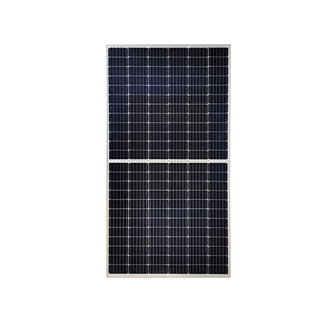
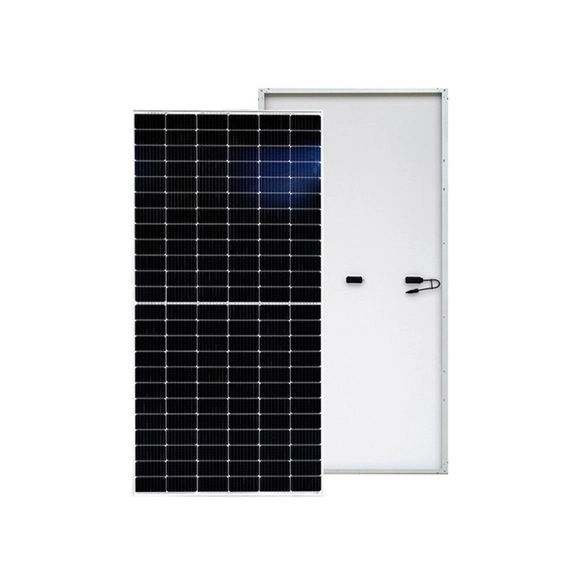
As the global need for sustainable energy sources rises, solar panels have become a forefront technology. Their ability to convert sunlight into electricity makes them invaluable in the transition towards greener energy. A pivotal concept in the realm of photovoltaic (PV) technology is the 33% efficiency benchmark. Known as the Shockley-Queisser limit, this rule illustrates the maximum possible efficiency of a single-junction solar cell under standard test conditions. Understanding this rule and the factors influencing solar panel efficiency can empower consumers, solar inverter manufacturers, and developers aiming to improve energy yield and performance. This comprehensive guide explores the science behind solar efficiency, its real-world applications, and what the future may hold.
The 33% rule is primarily rooted in the physics of how solar cells convert light into electricity. This limit accounts for various losses arising from the inherent material properties and thermodynamic limits. This section explores the foundational theory, the implications of this limit, and how innovations are pushing the boundaries of traditional solar technology.
| Loss Factor | Impact on Efficiency |
|---|---|
| Material absorption | Limits spectrum use, reduces raw conversion efficiency |
| Thermal losses | Energy converted into heat instead of electricity |
| Recombination losses | Loss of charge carriers before electricity generation |
Several factors collectively influence the efficiency of solar panels. These include intrinsic material properties, environmental conditions, and design configurations. For instance, the use of industrial solar panels with advanced semiconductors enables higher conversion rates by minimizing electron losses. Solar panel kits for houses must consider local climatic conditions like sunlight intensity, temperature, and shading to ensure optimal performance. Much like an audio encoder processes signals, solar panels must efficiently manage light interference for maximum output. This section will delve into these elements, offering insights on how to select and optimize bulk solar panels for varying applications.
| Factor | Description |
|---|---|
| Photon Absorption | Efficiency increases with materials that capture broader light spectrum |
| Material Quality | Purer silicon or multi-junction cells can increase output |
| Temperature Coefficient | Higher temperatures typically reduce efficiency |
Understanding the historical context of solar technology reveals the breakthroughs in efficiency enhancement. Early solar energy system diagrams showcased modest energy conversion capabilities. Over time, technical and material advancements have significantly improved these benchmarks. The evolution of high power solar panels and development in semiconductors share parallels with the progress seen in AM transmitter technology, where continuous research fosters better performance and reliability. This section will trace the historical trajectory of solar technology, highlighting pivotal innovations that have paved the way for today's high-efficiency panels.
In practice, the deployment of high-efficiency solar panels extends across numerous sectors, from residential to large-scale industrial installations. The success of off grid solar power solutions, particularly in remote areas, highlights the versatile application of these panels. Advances correspond with those seen in the fields of audio processing where enhanced technology meets diverse consumer needs. Here, we explore significant projects and installations leveraging these innovations to achieve sustainability goals. Real-world examples illustrate the impact of well-optimized solar technology in both urban and off-grid contexts.
The quest for greater solar efficiency continues to inspire novel research in both materials and technology. Projected developments, such as tandem solar cells, may push beyond current limitations akin to those seen in digital radio mondiale (DRM) technology's expansion from traditional AM FM radio transmitters. Advancements in off grid inverter technology further complement these high-efficiency cells in managing energy effectively. This section will explore anticipated breakthroughs, emerging technologies, and market trends likely to shape the future landscape of solar energy.
In conclusion, the pursuit of higher solar panel efficiency cannot be overstated, with significant implications for global energy production and sustainability. By understanding and leveraging the 33% rule and innovative advancements, stakeholders from solar panel kit with battery retailers to policymakers can contribute to a more sustainable future. The landscape of solar technology, continually evolving with new materials and methodologies, promises a dynamic and impactful trajectory ahead.
