


Phone:
+86-15928560945
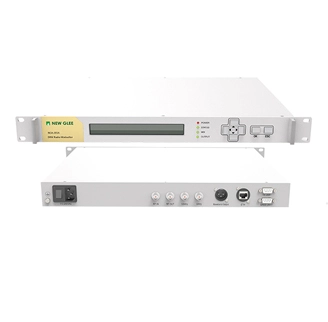
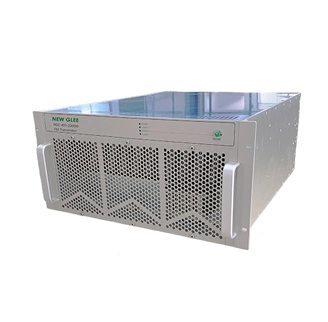
In the realm of modern broadcasting, Digital Radio Mondiale (DRM) technology stands as a testament to innovation and enhanced auditory experiences. Developed to replace traditional AM and FM radio, DRM offers a higher quality audio experience, more robust signal transmission, and a greater variety of content. From enthusiasts exploring the capabilities of an AM transmitter to stations seeking to upgrade their radio station equipment, DRM technology presents an exciting frontier. In this article, we'll explore the fundamentals of DRM technology, how it enhances audio quality, the frequency ranges it utilizes, its global adoption, and guidance on setting up a DRM receiver. By understanding these elements, not only can you appreciate this transformative technology, but you can also integrate it into existing audio infrastructure effectively.
Digital Radio Mondiale, commonly referred to as DRM, is an open-source digital radio broadcasting technology that is designed to work well in all broadcast frequency bands. Unlike traditional analog methods, DRM offers efficient spectrum usage and enhanced sound clarity comparable to that of an FM stereo transmitter. Moreover, it supports additional data services, allowing broadcasters to deliver a more interactive and informative listener experience.
DRM compresses audio using its audio codec, which effectively reduces bandwidth without sacrificing audio quality. This makes it highly efficient, particularly for long-distance AM radio transmitter communications. Additionally, DRM technology can provide equal quality at reduced power levels, which can result in significant cost savings for broadcasters.
Key Characteristics of DRM:
Open-standard technology that can operate in all radio transmitter frequency bands.
Superior audio quality with robust signal integrity.
Capability to transmit additional data services (e.g., text, images).
Incorporates emergency warning features and can operate in hybrid mode alongside analog broadcasts.
Whether you are upgrading broadcast infrastructure with a Digital Radio Mondiale (DRM) system or exploring its capabilities, understanding the standard’s foundational principles is essential.
One of the standout features of Digital Radio Mondiale is its remarkable audio quality. DRM achieves this through the use of advanced audio coding technologies, which allows for the compression of audio data without losing essential sound fidelity. This coding is similar to how an audio encoder functions for digital media, optimizing data storage and transmission by reducing file size while maintaining quality.
While traditional AM transmissions can be plagued with static and interference, DRM provides crystal-clear audio, rivaling that of modern digital broadcasting systems. This is particularly advantageous for medium and long wave frequencies where quality loss is often notable. Signal integrity is maintained through robust error correction algorithms, further enhancing the listener's experience.
| Feature | DRM | Traditional AM/FM |
|---|---|---|
| Audio Quality | Excellent, interference-free | Subject to static, limited by signal range |
| Efficiency | High power efficiency | Less efficient |
| Data Services | Supports multimedia content | Limited to audio only |
The deployment of DRM can transform the listener experience, making it an attractive option for fm radio broadcast transmitter operators looking to enhance their service offering and engage audiences more deeply.
DRM is versatile in its ability to operate across multiple frequency bands, from the traditional medium wave (MW) to very high frequency (VHF) channels, and even short wave (SW) bands. This ability ensures that DRM is not limited by geographic constraints, allowing broadcasters to extend their reach across continents seamlessly.
Broadcasters can use DRM on existing AM and FM channels, permitting a simultaneous broadcast of digital and analog signals. This ensures a smoother transition for listeners moving from traditional analog systems to modern digital. The operational frequency range, paired with DRM's adaptive transmission methods, results in improved coverage and signal penetration, even in challenging terrains or densely populated urban areas.
For am transmitter radio operators, DRM offers a practical advancement, utilizing existing infrastructure to transmit high-quality digital signals without needing a prohibitive overhaul. By strategically using digital signals, operators can attract a wider audience with enhanced audio clarity and added functionality, including data syncing and multimedia content delivery.
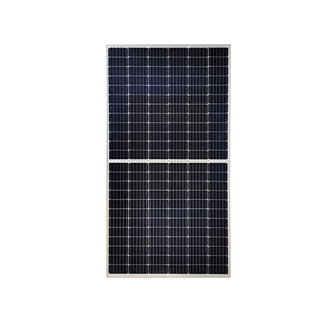
The global radio landscape is evolving, with more countries and broadcasters adopting DRM technology. Notably, several regions have recognized DRM's potential to revolutionize traditional broadcast channels. For instance, India has been one of DRM's largest proponents, integrating the technology into its public radio systems, making it more efficient and accessible. Meanwhile, Europe too, has taken steps towards a gradual transition, with off grid solar power systems sometimes supporting these digital transmitters in remote locales where renewable energy solutions such as solar panel kit with battery and inverter are critical for operation.
Organizations across the globe are increasingly exploring DRM due to its energy efficiency and reduced operational costs. In an era of sustainable solutions, pairing high-efficiency communication systems like DRM with solar energy system diagram solutions makes sense. This combination facilitates remote broadcast stations powered by bulk solar panels, ensuring an eco-friendly approach to regional and international broadcasting.
As other countries see the benefits that early adopters have encountered, including clearer broadcasts and added digital capabilities, DRM's global presence continues to expand, with further enhancements projected in digital broadcasting spaces.
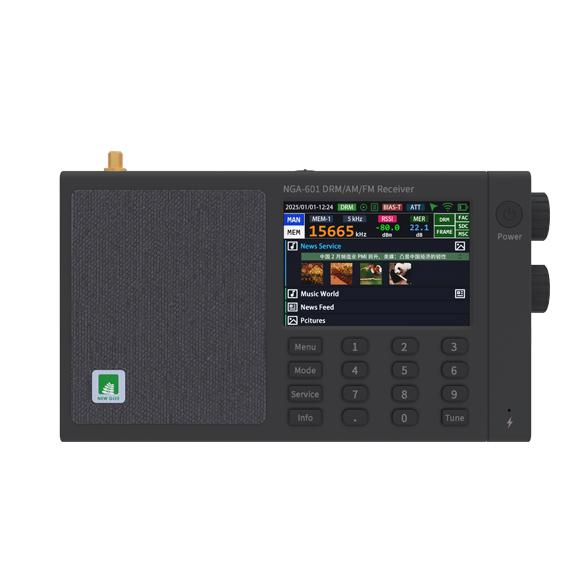
Setting up a DRM-compatible receiver can enhance your listening experience, bringing the benefits of digital radio into your home or office. Receivers can either be standalone units or on hybrid devices that combine traditional and digital capabilities. When purchasing DRM receivers, one should consider options compatible with existing radio and audio processor systems for seamless integration.
Many new digital radios come equipped with DRM capability, supported by fm stereo transmitter functionality, making transitioning from analog to digital systems linearly simpler. For DIY enthusiasts, kits are available to modify existing radios to receive DRM broadcasts, though this may require technical know-how.
Receivers should have a robust signal-catching capacity and offer additional features such as LCD displays for metadata, real-time text updates, and multiple band support—from am fm radio transmitter frequencies to personalized audio processing settings that influence audio output quality.
Steps for Successful DRM Set-up:
Check for DRM compatibility in your current audio set-up.
Consider the geographic bandwidth to optimize receiver settings for your locale's frequency standards.
Leverage tech support of solar inverter manufacturers where off-grid solutions may be required.
Ensure the installation of any required firmware updates for hybrid devices, maximizing digital and analog compatibility.
Through strategic investment in a DRM receiver and an understanding of operation practices, listeners can effectively tap into one of the leading advancements in radio broadcasting.
Digital Radio Mondiale (DRM) technology represents a significant leap in the world of broadcasting, blending efficiency, quality, and enhanced capability into a single standard. For stations and listeners alike, the shift towards DRM can offer substantial improvements over traditional analog systems through clearer audio, better signal reliability, and additional content delivery features.
As global adoption of DRM grows, supported by innovations in energy systems such as industrial solar panels and off grid inverter technologies, the potential for expanding radio's reach and functionality increases. By embracing DRM technology and supporting infrastructure, incorporating novel broadcasting tools can enrich the audio landscape for various users—from large-scale carriers to DIY enthusiasts configuring a solar panel kit for home setups.
In a world progressively moving toward the digital and sustainable, investing in DRM technology signifies both an innovation in transmission quality and a commitment to a greener broadcasting future. For more information, explore further details through resources and direct communication with solar panel kit providers.
References:
