



Phone:
+86-15928560945
Digital radio technology has transformed the way broadcasters deliver audio services, data information, and emergency communication. However, choosing the right digital radio standard is not always straightforward. Different markets have different requirements based on frequency availability, coverage area, infrastructure investment, and listener expectations.
Among the most discussed technologies are DRM30, DRM+, and DAB+. While all three standards aim to replace or complement traditional analog broadcasting, they are designed for different frequency environments and market applications.
For broadcasters, government agencies, and communication solution providers evaluating digital radio deployment, understanding the differences between drm+ radio, DRM30, and DAB+ is essential for making an informed investment decision.
Before comparing the technologies, it is important to understand their basic positioning.
Digital Radio Mondiale (DRM) is an open digital broadcasting standard designed to replace analog AM and FM broadcasting while using existing frequency allocations more efficiently. According to Digital Radio Mondiale, DRM supports digital broadcasting on frequencies below 30 MHz as well as VHF Band II frequencies.
DRM technology is generally divided into two major categories:
DRM30 – Designed for broadcasting below 30 MHz, including long wave (LW), medium wave (MW), and shortwave (SW).
DRM+ – An extended version designed for VHF Band II frequencies, mainly targeting local and regional FM replacement.
DAB+ (Digital Audio Broadcasting Plus), meanwhile, is another digital radio standard based on the Eureka-147 family. It is widely used in many countries for terrestrial digital radio services, especially in VHF Band III.
Unlike analog radio, these digital standards provide:
Improved audio efficiency
Multiple audio channels
Text and data services
Emergency broadcasting capabilities
More efficient spectrum usage
For organizations planning digital broadcasting projects, selecting between DRM30, DRM+, and DAB+ depends largely on geographic conditions and market objectives.
DRM30 is specifically developed for frequencies below 30 MHz, making it suitable for long-distance broadcasting applications.
Its main frequency bands include:
Long Wave (LW)
Medium Wave (MW)
Shortwave (SW)
One of the biggest advantages of DRM30 is that it allows broadcasters to upgrade existing AM infrastructure into digital systems without completely replacing frequency resources.
Key advantages include:
Shortwave DRM30 broadcasting can cover large geographic areas, making it suitable for:
International broadcasting
National public information services
Emergency communication networks
Remote region coverage
Because of its long propagation characteristics, DRM30 remains valuable in regions where traditional broadcasting infrastructure must reach large and geographically dispersed populations.
Compared with analog AM broadcasting, DRM30 can transmit:
Digital audio
Program information
Text messages
Emergency alerts
within the same frequency allocation.
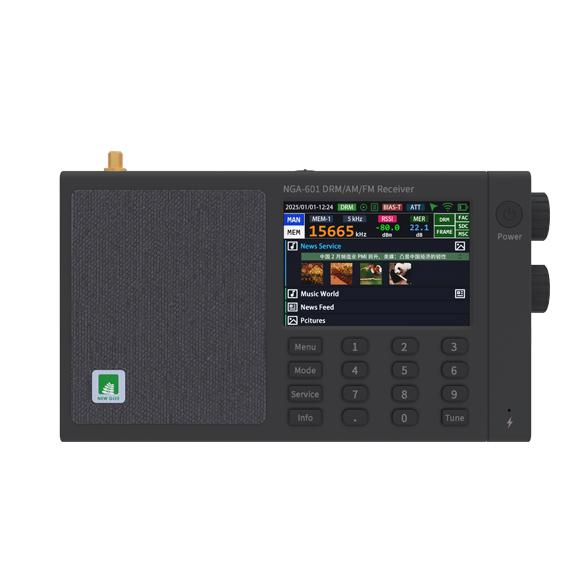
A complete DRM ecosystem may include solutions such as a professional digital radio mondiale receiver for receiving and monitoring DRM30 broadcasts.
However, DRM30 is not designed primarily for dense urban local radio markets where many stations compete within limited areas.
DRM+ is the VHF extension of DRM technology and operates mainly in Band II frequencies traditionally used by FM broadcasting.
The goal of DRM+ is to provide a digital replacement solution for local and regional FM services.
Compared with DRM30, DRM+ focuses on shorter-range broadcasting applications.
Typical DRM+ applications include:
Community radio
Local broadcasters
Educational institutions
Regional public services
Small-area commercial broadcasting
The main advantages of drm+ radio technology include:
One of the major benefits of DRM+ is that it can operate within the existing FM frequency range. This makes migration easier for markets where FM broadcasting is already well established.
DRM+ can provide:
Digital audio services
Additional data transmission
Program information
Emergency messaging
For broadcasters looking for a digital solution without moving completely to another spectrum environment, DRM+ provides a flexible pathway.
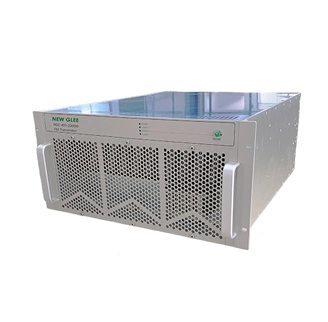
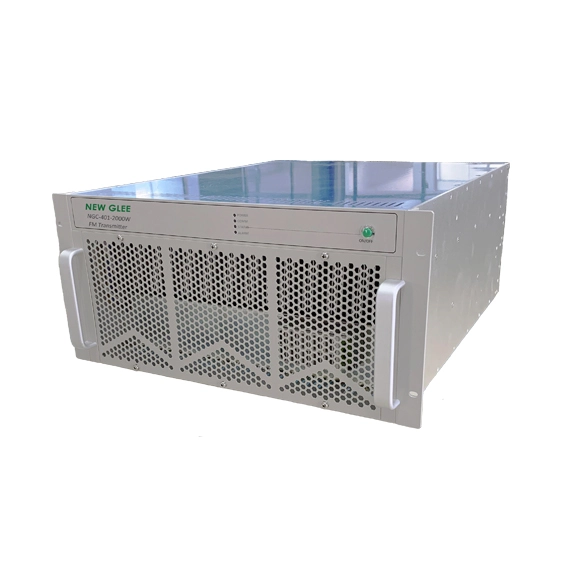
A professional drm transmitter can support digital broadcasting infrastructure where DRM transmission is required.
However, DRM+ adoption depends heavily on local regulatory policies and market conditions.
DAB+ is one of the most widely deployed digital radio standards globally. It is based on the Eureka-147 digital radio system and is primarily designed for terrestrial broadcasting through VHF Band III.
According to Digital Audio Broadcasting, DAB was developed to provide digital audio broadcasting with improved spectrum efficiency and additional services compared with traditional FM radio.
DAB+ is commonly used for:
National digital radio networks
Metropolitan broadcasting
Automotive radio services
Large-scale commercial broadcasting
Its advantages include:
Unlike traditional FM, one DAB+ frequency block can carry multiple radio services. This makes it attractive for markets with many broadcasters.
Many vehicles and consumer devices already support DAB+, particularly in regions where digital radio adoption has been promoted.
DAB+ performs well in areas where broadcasters need to serve large populations through coordinated transmission networks.
However, implementing DAB+ often requires dedicated infrastructure investment, including new transmission networks and multiplex management systems.
Choosing the correct digital radio technology depends on market requirements rather than technical specifications alone. When comparing dab drm solutions, broadcasters should evaluate factors such as coverage range, spectrum availability, infrastructure requirements, and target audiences before selecting the most suitable digital radio standard.
Long-distance coverage is required
International broadcasting is important
Existing AM or shortwave infrastructure is available
Emergency communication is a priority
Local or regional broadcasting is the main objective
Existing FM frequency resources should be utilized
Flexible digital migration is needed
A large-scale terrestrial digital radio network is required
Multiple stations need to share infrastructure
Consumer adoption and automotive integration are priorities
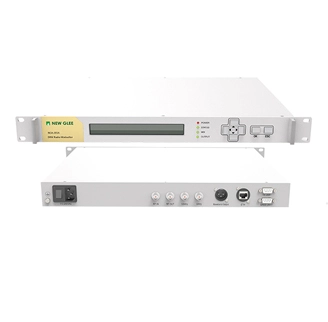
For companies researching digital radio deployment, professional testing and receiving equipment can help evaluate signal performance before large-scale investment. Solutions provided by Newglee support various DRM-related applications, including reception, monitoring, and broadcasting evaluation.
Products such as the mdi1 radio demonstrate how specialized digital radio equipment can support modern broadcasting workflows.
The future of digital radio will likely involve multiple standards operating together rather than one technology completely replacing all others.
Different regions have different priorities:
Large countries may require long-distance DRM30 broadcasting.
Local broadcasters may benefit from DRM+ solutions.
Developed digital radio markets may continue expanding DAB+ networks.
Factors influencing future adoption include:
Government broadcasting policies
Spectrum management decisions
Receiver availability
Infrastructure investment
Public demand for digital services
For organizations entering digital broadcasting markets, the most important step is analyzing local requirements before selecting a standard.
A successful digital radio strategy requires balancing technical performance, cost efficiency, coverage requirements, and long-term scalability.
Wikipedia – Digital Radio Mondiale
https://en.wikipedia.org/wiki/Digital_Radio_Mondiale
Wikipedia – Digital Audio Broadcasting
https://en.wikipedia.org/wiki/Digital_audio_broadcasting


