

Phone:
+86-15928560945
For broadcasters planning a digital radio upgrade, the terms DRM Modulator and DRM+ Modulator can sound similar. Both are part of the Digital Radio Mondiale ecosystem, both work inside a digital broadcast chain, and both help convert encoded broadcast content into a standards-compliant radio signal. However, they are not selected for the same transmission environment.
Choosing the right one depends on your frequency allocation, coverage goals, existing infrastructure, and target audience. This guide breaks down the practical differences to help radio stations, network operators, and system integrators make informed decisions for their drm radio projects.
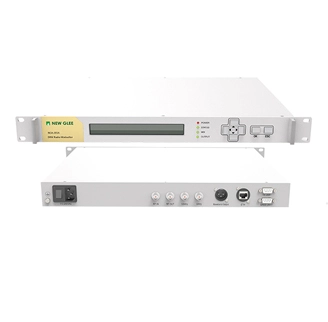
A DRM modulator acts as the critical bridge in a digital broadcast headend. It takes the multiplexed output from your media encoder and converts it into a modulated RF signal ready for transmission.
Key functions of drm modulator typically include channel coding, OFDM modulation, digital signal synthesis, frequency conversion, and RF output preparation. Modern units also support monitoring, control interfaces, and pre-correction to ensure clean transmission under real-world conditions.
The main difference is the intended frequency range and broadcast use case. In common industry usage, a DRM Modulator often refers to DRM transmission in AM-related bands below 30 MHz, including long wave, medium wave, and short wave. DRM+ refers to the use of the DRM standard in VHF bands above 30 MHz, including the FM band. Industry reference: DRM Consortium, ETSI ES 201 980.
| Aspect | DRM Modulator | DRM+ Modulator |
|---|---|---|
| Typical Frequency | Below 30 MHz (LW, MW, SW) | Above 30 MHz (VHF, especially FM Band II) |
| Common Applications | National/regional coverage, long-distance propagation | Local/regional digital services, urban and suburban coverage |
| Robustness Mode | Modes A, B, C, D | Mode E |
| Bandwidth | Fits AM channel plans (narrow options) | ~96 kHz occupied bandwidth, 100 kHz grid |
| Coverage Focus | Wide-area, especially remote regions | High-quality local FM-band replacement |
| Infrastructure | Often reuses existing AM transmitters | Designed for VHF/FM transmitter setups |
In short: Choose a standard DRM Modulator for AM-band digital upgrades. Opt for DRM+ when moving into VHF/FM digital broadcasting.
Select a DRM Modulator when your project targets medium-wave or shortwave digital broadcasting. These bands excel at delivering signals over vast distances, making them ideal for:
National public radio networks
Remote area coverage
Emergency alert systems
International shortwave services
Many operators appreciate the potential to upgrade existing AM infrastructure, though a full compatibility assessment (transmitter linearity, antenna system, synchronization, and regulations) remains essential.
Focus your evaluation on real project needs: single-frequency network (SFN) support, input stream types (MDI/DCP), permitted bandwidth, and receiver ecosystem in your market.
A DRM+ Modulator shines in VHF environments, particularly for FM-band digitization. Using robustness Mode E, it delivers near-CD quality audio and multimedia services within a compact 100 kHz channel spacing — perfect for spectrum-efficient local and regional broadcasting.
Benefits include:
Support for multiple audio programs and data services (text, images, emergency alerts)
Better spectral efficiency than traditional analog FM
Opportunities for innovative listener features
Success depends on local regulations, receiver availability, and coexistence with existing analog FM stations. Always start with thorough frequency planning.
The best choice comes down to your transmission environment rather than product names alone. Consider:
Available spectrum and regulatory approvals
Desired coverage area and propagation characteristics
Existing transmitter and antenna infrastructure
Target services (audio quality, data features, number of programs)
Long-term digital radio roadmap
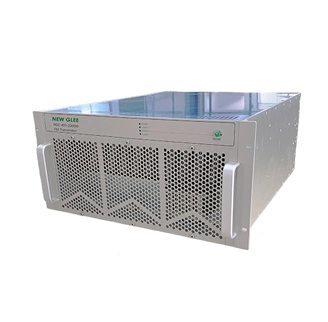
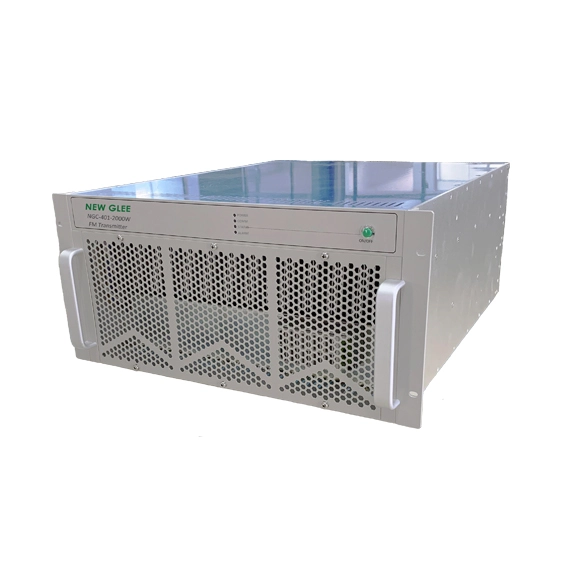
A complete solution integrates your broadcast headend, modulator, transmitter, monitoring system, and receivers into one reliable chain.
Whether you're exploring AM-band digital radio or FM-band DRM+ deployment, the right drm modulator configuration can future-proof your operations while improving audio quality and spectrum efficiency.
Share your project details with Newglee — frequency plan, existing equipment, coverage targets, and service requirements. Our team will recommend the ideal drm modulator and broadcast headend solution for your needs.
Contact us today to discuss how DRM technology can transform your broadcasting capabilities.


