

Phone:
+86-15928560945
Broadcast operators running medium-wave (MW) services face a practical decision as digital radio technology matures. Maintaining aging analog transmitters can mean rising maintenance costs and limited service capabilities, while listeners increasingly expect audio quality and data services that analog systems cannot deliver. For network planners and procurement teams at broadcast organizations, the question is not whether to consider digital, but how to approach the transition in a way that balances capital expenditure, operational continuity, and future service flexibility.
DRM (Digital Radio Mondiale) is one of the recognized digital broadcasting standards for the AM bands below 30 MHz. A DRM transmitter replaces or upgrades the analog chain to deliver digital audio, text information, and data services alongside or instead of analog AM transmission. For broadcasters planning this transition, understanding the equipment involved and the factors that affect procurement decisions is an important first step.
A DRM radio AM transmitter is a broadcast transmitter designed to operate in the medium-wave band (typically 531–1602 kHz) while supporting both analog AM and DRM digital modes. The equipment uses solid-state amplification and digital modulation to convert an audio and data stream into a radio frequency signal suitable for transmission via antenna.
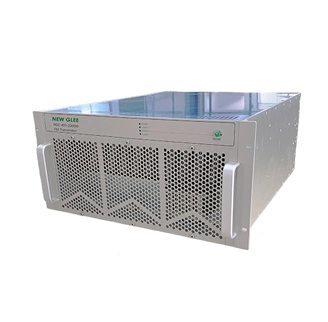
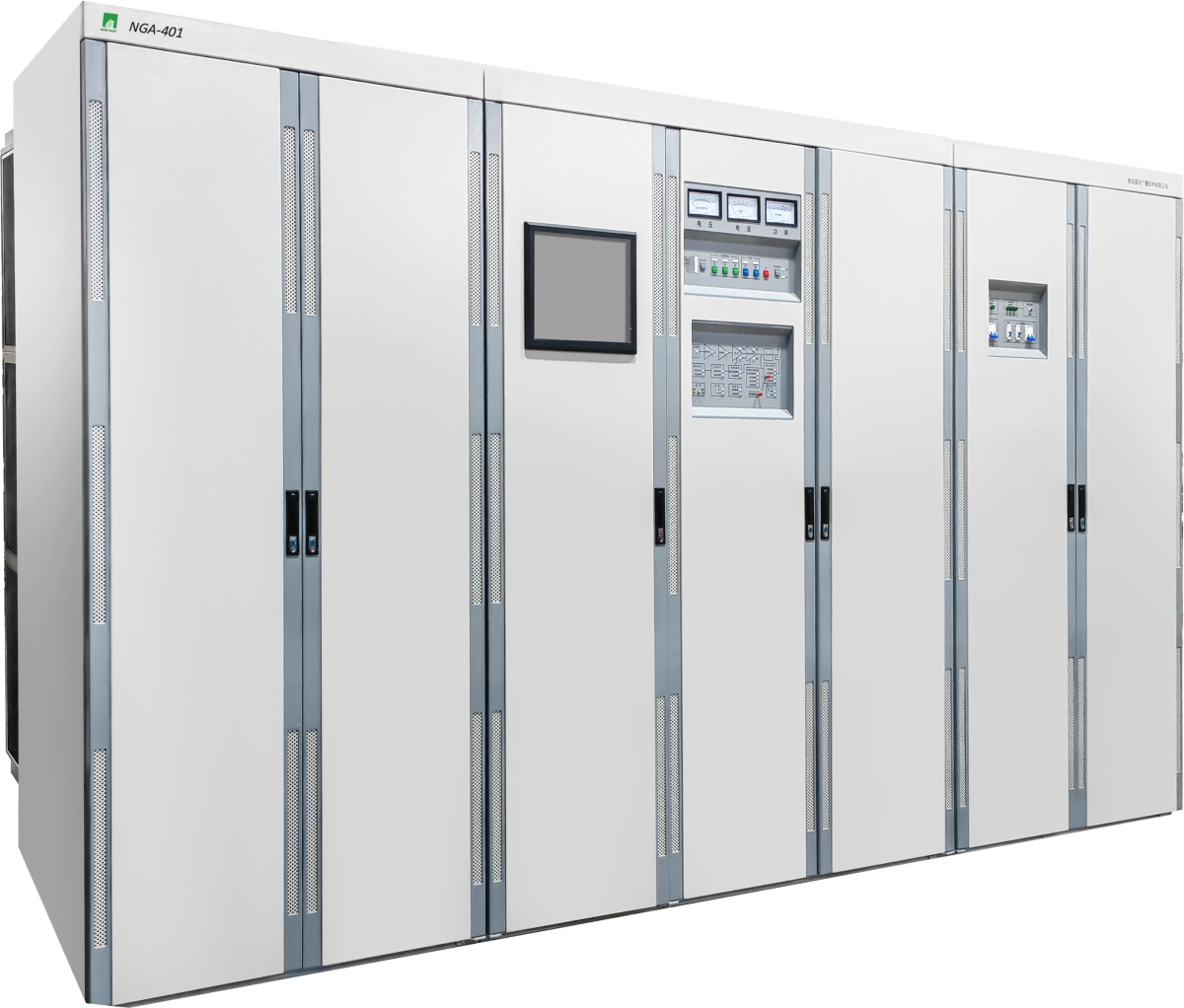
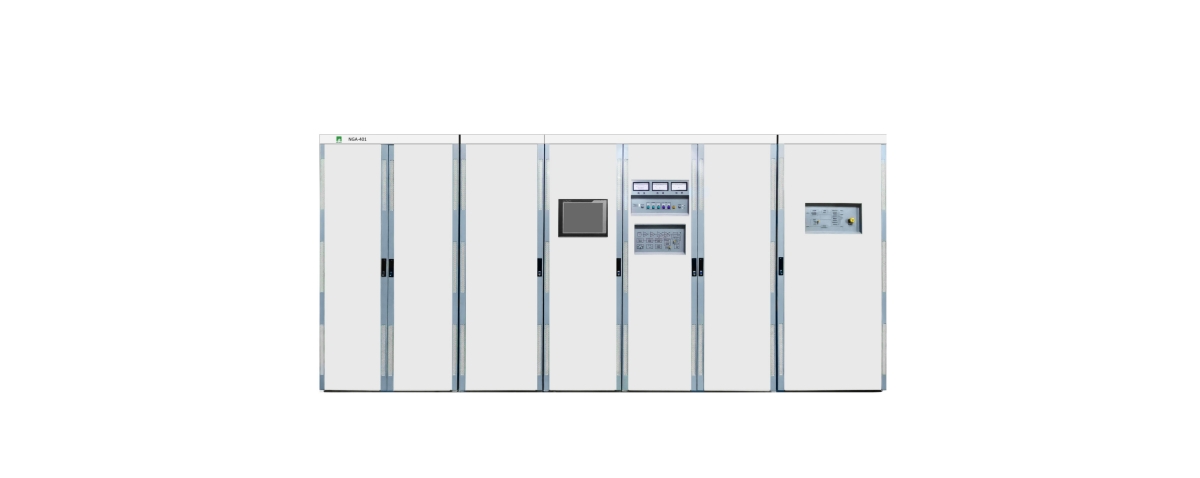
Newglee's DRM transmitter series, including the NGA-401 model rated at up to 200 kW, adopts a fully solid-state architecture. This means no vacuum tubes are involved in the amplification chain, which simplifies maintenance and reduces the need for periodic tube replacement. The transmitter supports both analog AM and DRM digital modes, allowing broadcasters to operate in simulcast mode during the transition period — broadcasting the same program in analog and digital simultaneously — or switch fully to digital once receiver penetration reaches acceptable levels.
Solid-state design is the foundation of modern transmitter reliability. Without tubes to replace, maintenance intervals are longer and failures are generally more predictable. Newglee's design includes redundant circuitry, which means a failure in one amplifier module does not take the entire transmitter off air. The modular construction allows individual modules to be replaced without shutting down the rest of the system.
Lightning protection is integrated into the design, which is relevant for medium-wave stations where tall antenna structures are exposed to weather. Electrical isolation between stages reduces the risk of surge damage propagating through the system.
Energy efficiency is another practical consideration. DRM transmitters typically operate at higher efficiency than older Class-B analog transmitters, which reduces electricity costs over the equipment's service life. For broadcasters in regions with high power costs or limited grid stability, this can be a meaningful factor in total cost of ownership.
The transmitter is designed to maintain consistent output quality across varying antenna impedance conditions. In practice, this means transmission parameters stay within specification even when the antenna system's characteristics shift due to weather, vegetation changes, or aging components — reducing the need for frequent manual retuning.
DRM AM transmitters serve several roles in a modern broadcast network. The most common scenario is the upgrade of an existing analog AM service. A station currently broadcasting in AM can install a DRM-capable transmitter and begin simulcasting, maintaining service for existing listeners while beginning digital transmission for DRM-equipped receivers.
Another application is in national and regional public broadcasting networks, where DRM's ability to carry emergency alert data alongside audio makes it relevant for civil protection and disaster warning systems. The text and data channels can carry multilingual information, maps, or evacuation instructions that supplement the audio broadcast.
DRM is also used in long-distance and cross-border broadcasting, where the digital signal's robustness against interference and fading allows reliable reception over greater distances than equivalent-power analog AM.
When sourcing DRM transmitter equipment, several factors beyond power rating and frequency range warrant attention.
Power output and coverage requirements should be defined first. The choice between a 10 kW, 50 kW, or 200 kW transmitter depends on the target coverage area, antenna system gain, and local noise environment. Newglee can supply transmitters with power ratings matched to specific coverage plans.
Compatibility with existing infrastructure needs to be assessed. A DRM transmitter that can use the existing antenna system, transmission line, and building infrastructure reduces the total project cost. The ability to operate in both analog and digital modes also allows phased migration without a hard cutover date.
Modularity and serviceability affect long-term operational costs. Systems that support hot-swappable modules and have accessible diagnostic interfaces reduce the time and skill level required for maintenance. This is especially relevant for stations in remote locations where on-site engineering support may be limited.
After-sales support arrangements should be clarified early. This includes the availability of spare modules, remote diagnostic support, on-site commissioning services, and training for station engineers. Newglee operates three R&D centers in Shenzhen, Dongguan, and Chengdu, with engineering teams that can provide technical support and service.
Warranty terms, lead times for manufacturing and delivery, and installation requirements should also be part of the procurement discussion.
Newglee was founded in 2025 and focuses on DRM products, FM broadcasting equipment, and solar energy systems. The company operates R&D centers in Shenzhen, Dongguan, and Chengdu, with a team of over 200 professionals — most engineers have more than 15 years of industry experience. Three production bases cover a total facility area of 20,000 square meters.
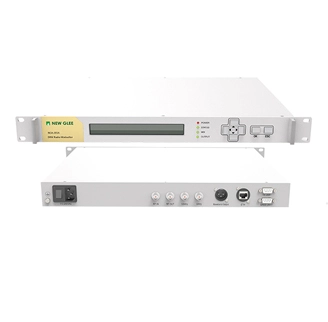
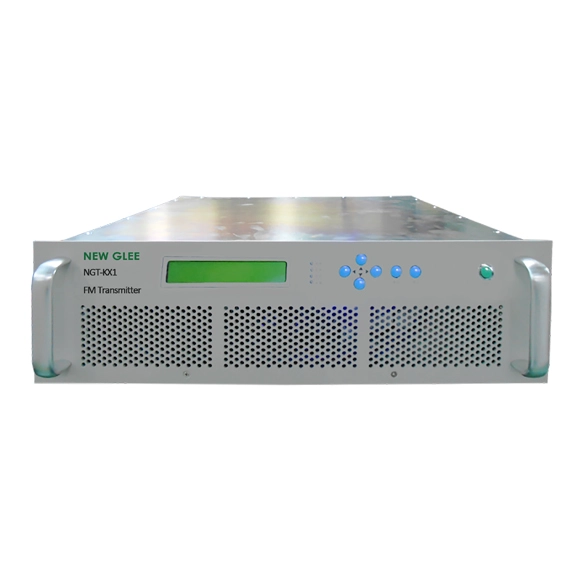
The company's broadcasting product range includes DRM transmitters, DRM modulators, DRM radio headend equipment, DRM terminals, FM transmitters (ranging from 30 W to 50 kW), FM combiners, FM antennas, and related accessories. Newglee also offers DRM broadcast end-to-end solutions covering encoder, modulator, transmitter, and terminal integration.
For broadcast organizations evaluating digital radio deployment, Newglee provides technical consultation on system configuration, coverage planning, and integration with existing infrastructure. Buyers can also request a project-specific DRM radio price based on MW power, redundancy, cooling, and upgrade scope.
The transition from analog AM to DRM digital broadcasting is a significant infrastructure decision that involves technical, operational, and financial considerations. For procurement teams and engineering departments, a clear understanding of solid-state transmitter technology, compatibility requirements, modular maintainability, and supplier support capability helps frame the evaluation process. Broadcast operators considering this upgrade can contact Newglee with their coverage objectives and existing infrastructure details to discuss appropriate transmitter configurations.


